
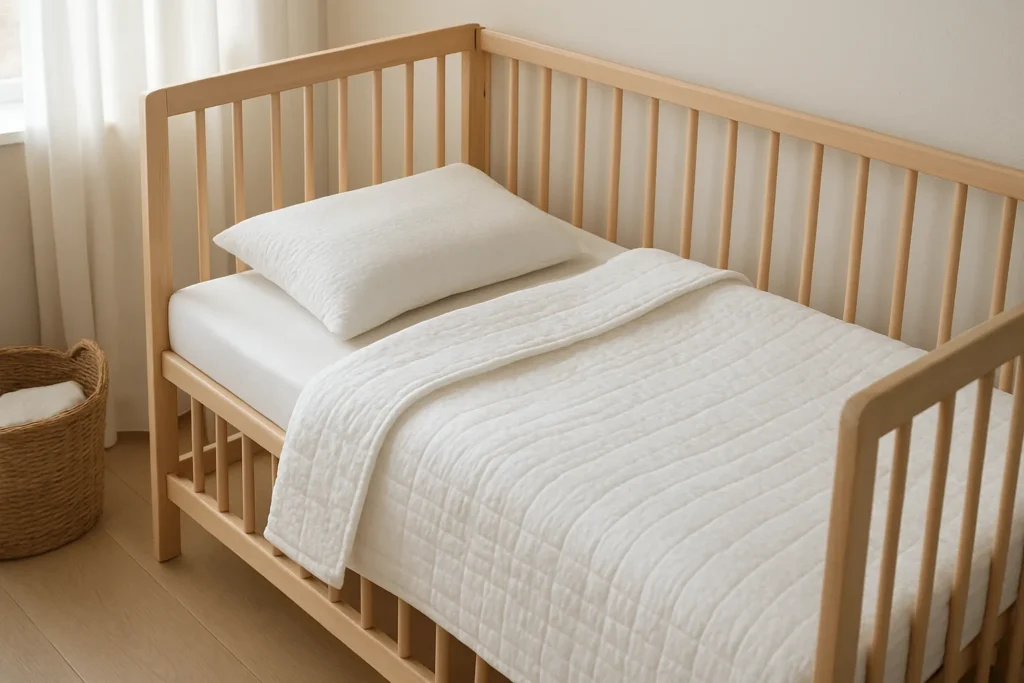
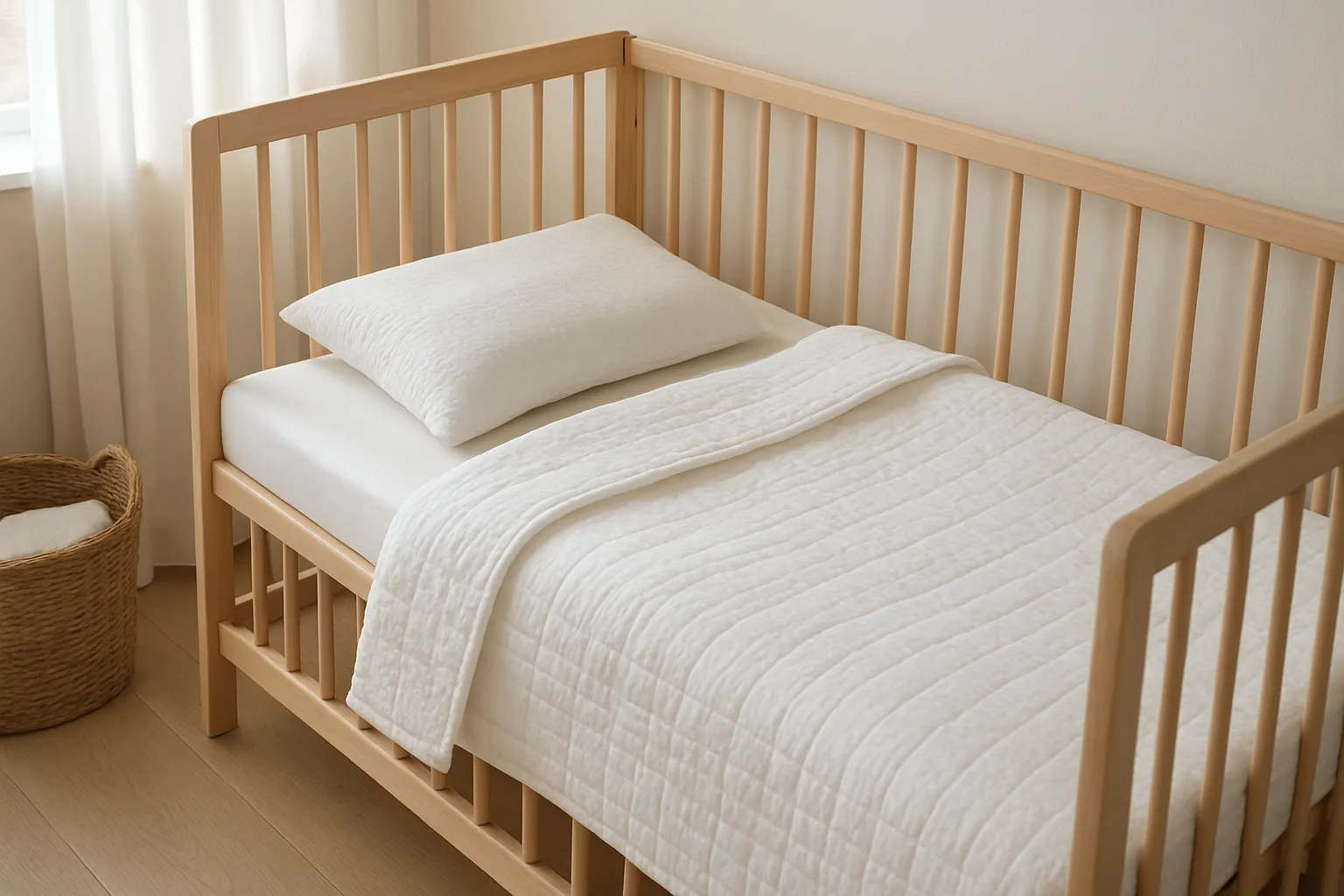
In today’s competitive market, selecting the right materials for baby bedding sets is more crucial than ever. Parents are increasingly prioritizing both comfort and safety for their little ones, and breathable bedding has emerged as a key element in creating a secure sleeping environment for infants. This article delves into the necessity of breathable bedding, discussing its benefits, specifications to consider, and practical tips for retailers aiming to integrate these products into their offerings.
Benefits of Breathable Bedding
Breathable bedding brings numerous advantages, particularly for babies:
- Temperature Regulation: One of the standout features of breathable materials is their ability to manage temperature effectively. Babies are prone to overheating, which can disrupt their sleep and pose health risks. Breathable fabrics allow excess heat to escape, ensuring that infants remain comfortable without becoming too warm.
- Moisture Control: Another significant benefit is moisture control. Breathable bedding efficiently wicks away sweat and moisture, keeping the baby’s skin dry and comfortable. This is vital for preventing rashes and ensuring a restful sleep environment.
- Safety Considerations: Safety is paramount when it comes to baby bedding. Breathable materials significantly reduce the risk of suffocation and rebreathing carbon dioxide, hazards that can arise with non-breathable fabrics. This safety feature is particularly crucial for infants, who may not be capable of repositioning themselves during sleep.
Key Specifications to Look For
When choosing breathable bedding for baby bedding sets, consider the following specifications:
- Fabric Types: Opt for natural fibers such as cotton, bamboo, or linen, which are known for their breathability and softness. These materials not only provide comfort but also enhance airflow. For a detailed overview of bedding options, check out our product offerings.
- Thread Count: While a higher thread count often indicates luxury, it’s essential to strike a balance. A medium thread count (between 200 and 400) typically offers an excellent combination of softness and breathability.
- Certifications and Standards: Ensure that the bedding meets safety standards, such as Oeko-Tex or GOTS certifications. These certifications indicate that the fabric is free from harmful chemicals, making it safe for babies.
Use Cases for Breathable Bedding
Breathable bedding is versatile and suitable for various scenarios:
- Newborns and Infants: For newborns, breathable bedding is essential as they spend the majority of their time sleeping. It provides a safe and comfortable sleep environment, significantly reducing the risk of overheating.
- Seasonal Considerations: During warmer months, breathable bedding helps keep babies cool, while in cooler weather, it can still provide warmth without trapping excess heat.
- Allergies and Sensitivities: For babies with allergies or sensitive skin, opting for breathable bedding made from hypoallergenic materials can minimize irritation and discomfort, promoting better sleep.
Comparisons with Traditional Bedding
Understanding the distinctions between breathable and traditional bedding is vital for retailers:
- Breathable vs. Non-Breathable Materials: Traditional bedding often utilizes synthetic materials that can trap heat and moisture. In contrast, breathable bedding facilitates airflow, thereby reducing the risks associated with overheating.
- Cost Analysis: Although breathable bedding may have a higher initial cost, the long-term benefits—such as durability and enhanced safety—make it a worthwhile investment for parents.
- Durability and Longevity: Breathable materials are generally more durable than traditional options, maintaining their properties through multiple washes, which is crucial for products used by infants.
Sourcing Breathable Bedding
For businesses looking to source breathable bedding, consider the following:
- Reputable Manufacturers: Collaborating with established manufacturers who specialize in baby products can ensure high-quality, safe bedding options. For more information on sourcing, visit our about page.
- Material Sourcing Considerations: Prioritize sourcing natural and organic materials that align with the growing consumer demand for eco-friendly products.
- Eco-Friendly Options: As sustainability becomes increasingly important, offering eco-friendly breathable bedding can attract environmentally conscious consumers.
Implementation Tips for Retailers
Retailers can effectively market breathable bedding by:
- Marketing Breathable Bedding: Emphasize the advantages of breathable materials in promotional materials and online listings, focusing on safety, comfort, and health benefits. For insights on marketing strategies, check our blog.
- Educating Customers: Provide educational resources about the importance of breathable bedding, helping parents understand why it is essential for their baby’s safety and comfort.
- Displaying Products Effectively: Create engaging displays that showcase the softness and breathability of the materials. Consider using samples that customers can touch and feel to appreciate the quality.
Frequently Asked Questions
- What Makes Bedding Breathable? Breathable bedding is crafted from materials that allow air circulation, preventing heat and moisture build-up.
- How to Care for Breathable Bedding? Adhere to the manufacturer’s care instructions, which typically involve gentle washing and avoiding harsh chemicals to maintain the fabric’s integrity.
- Is Breathable Bedding Worth the Investment? Absolutely! Investing in breathable bedding can enhance a baby’s sleep quality, safety, and comfort, making it a valuable addition to any baby bedding set.
In conclusion, breathable bedding is not merely a trend; it is an essential component of baby bedding sets that guarantees safety, comfort, and well-being for infants. By understanding its benefits and sourcing high-quality options, retailers can effectively meet the needs of parents seeking the very best for their children.